
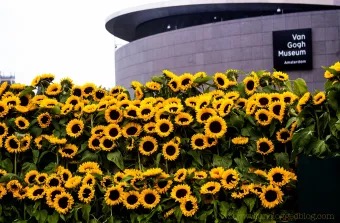
When people think about Amsterdam’s museums, the holy trinity of cultural tourism usually comes to mind: the Rijksmuseum, Van Gogh Museum and the Anne Frank House. While rife with artistic treasures, these repositories of Holocaust horrors and world-renowned art are also chock full of tourists.
Once in, don’t count on marveling at Dutch masterpieces in solitary reverence, especially if you visit in summer or during school vacation.
Fortunately, Amsterdam has a whole ecosystem of smaller museums orbiting around niche interests, overlooked stories, unusual perspectives, and subjects that would never fill a giant museum. Some celebrate cats. Others explore prostitution, digital art, photography, science, Dutch canals and even medieval torture. Many are set in restored Golden Age mansions, adding architectural interest beyond their treasures. Together, they form a cultural landscape that’s far more diverse than the typical tourist itinerary suggests.
If you’re looking for something beyond Vermeer and sunflowers, here are some of the city’s most interesting smaller museums:
Art in All its Forms
Moco Museum: Edgy Art – If the Stedelijk represents serious contemporary art, Moco is its cooler, younger cousin who spends too much time on Instagram.
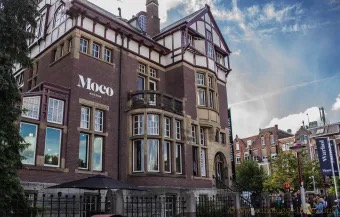
Dedicated to presenting the “Rock Stars” of modern and street art, Moco occupies 13,500 square feet on two floors of what was originally a stately private home—one of the first built on Museumplein.
Foam: Photo Synthesis – If it can be captured on film, it’s showcased in this museum of contemporary photography. Rotating exhibits feature everything from social issues portrayed through documentary photography to surreal portraits, fashion photography and experimental work by photographers ranging from international stars to emerging artists.
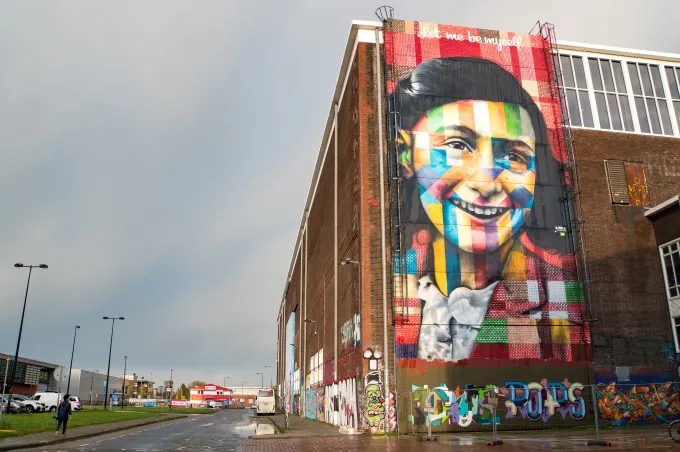
STRAAT: Graffiti Goes Mainstream – Recognizable by a 24-meter-high portrait of Anne Frank on its facade, STRAAT represents a new generation of street art that will be guarded from urban threats and accessible to a wide audience in a single venue.
More than 180 mammoth works – some as tall as a four-story building – by 170+ artists from across the globe hang in the giant industrial space inside a former hangar at NDSM Wharf.
Nxt Museum: Digital Art – Forget paintings. Here you’ll step into the world of digital art, where giant projections, interactive installations and artificial intelligence experiments are designed to overwhelm your senses in carefully curated ways. Some exhibitions feel like stepping into a science-fiction film. Others resemble the dreams of someone who fell asleep watching documentaries about technology. Not every piece works for every visitor, but that’s part of the experience.
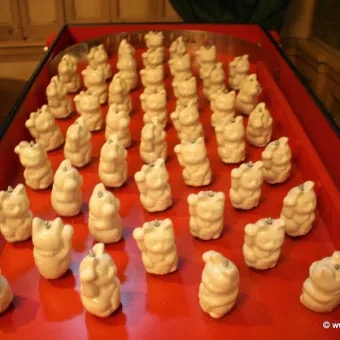
KattenKabinet: Purrfect for Cat Lovers – Housed in a posh canal mansion where Dutch gentry once lived, one of Amsterdam’s quirkiest museums is an homage to all things feline.
It features two floors of paintings, drawings, prints and sculptures by Picasso, Rembrandt, Toulouse-Lautrec and other renowned masters, all with cats on center stage. In 2004 Katten Kabinet served as a set for the Hollywood blockbuster Oceans 12.
Amsterdam Diamond Museum: Diamonds Are Forever – Housed in a 19th-century building on Museum Square, this small museum brings together four centuries of diamond history. Learn about the diamond as a natural wonder, a craft and a symbol of status while discovering why Amsterdam and this gemstone have been connected for centuries.
For Kids of All Ages
NEMO Science Museum: Playful Science – The giant green structure that resembles a ship emerging from the harbor is actually a science playground where kids can learn how bridges work and what creates lightning while adults discover how little they remember from high school science.
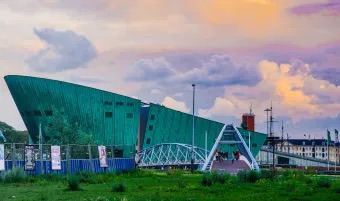
There’s no staring at objects behind glass here; instead, you’re encouraged to push buttons, conduct experiments, and generally behave in ways that would get you kicked out of most museums. The rooftop terrace offers one of Amsterdam’s best free views.
Pianola Museum: Music Without a Musician – Dedicated to player pianos and the technology behind them, this tiny museum’s collection includes more than 40,000 paper music rolls. The instruments actually make music as a player operates the pedals. Hear the grand masters of the keyboard from a century ago and experience the atmosphere of the roaring twenties during a guided tour or museum concert.
Electric Ladyland: Fluorescent Chaos – Tucked in the Jordaan, this uber-tiny museum is part science museum, part art installation and part psychedelic fever dream. Filled with minerals, artworks and installations that transform under ultraviolet light, it operates on its own wavelength – literally – making it one of Amsterdam’s quirkiest attractions.
Micropia: The World You Can’t See – Explore the world of bacteria, fungi, viruses and other microorganisms in this small museum at ARTIS Zoo. Displays and microscopes reveal the enormous ecosystem living all around – and on – you, making microbes seem fascinating rather than something you want to disinfect.

The Golden Age Revisited
Rembrandt’s House: Looking Over a Master’s Shoulder – Step back in time to the 17th century in the actual home of the man who arrived in Amsterdam as an ambitious celebrity artist and was forced out by a pile of debt. For 19 years, Rembrandt lived and worked in this space, making it considerably more personal than a gallery. What was once a home is now a museum replete with furniture, etchings and Golden Age objects.
Museum van Loon: Golden Age Splendor – Replete with historic paintings, furnishings and silver, this restored canal house once belonged to one of Amsterdam’s wealthy patrician families. Built as a private home in 1672, it was once the home of painter Ferdinand Bol, a pupil of Rembrandt.
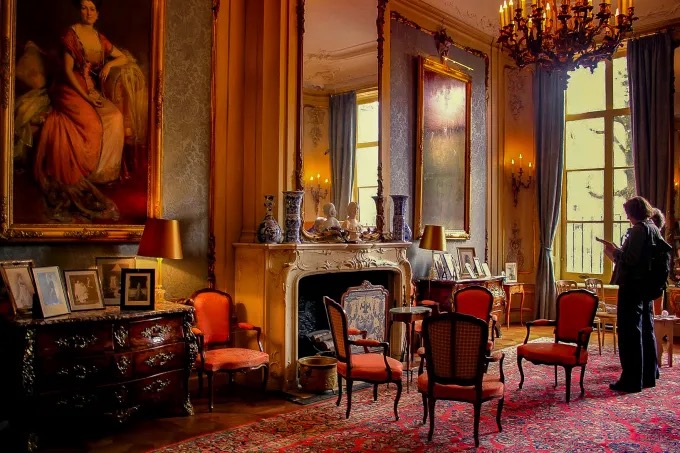
In 1884, wealthy merchant Hendrik Van Loon purchased it as a wedding gift for his son Willem, a founding member of the Dutch East India Company, whose grandson became mayor of Amsterdam.
Grachtenmuseum: The Canal Belt Explained – In a stunning canal house, the Museum of the Canals reveals why Amsterdam looks the way it does. Through multimedia presentations, historical objects and interactive displays, it explains how the city grew from a muddy settlement into a global trading powerhouse as its UNESCO-recognized canal belt was developed.
Museum Ons’ Lieve Heer op Solder: A Secret Showstopper – Tucked in the attic of a restored 17th-century canal mansion, this tiny church miraculously survived through the ages and is now one of Amsterdam’s oldest museums.
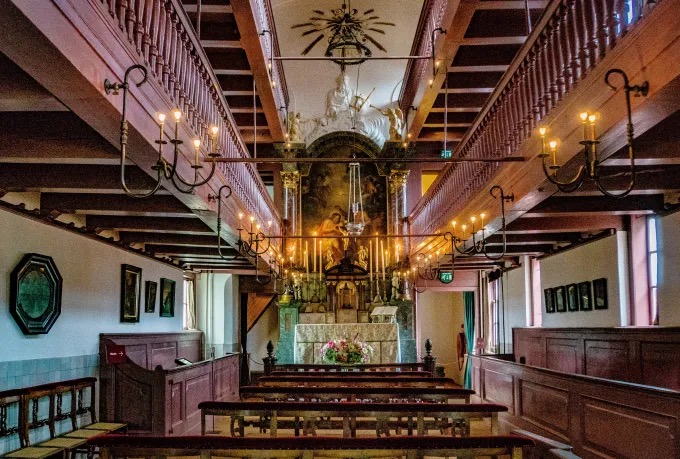
Originally converted into a secret place of worship by a wealthy merchant, it was used from 1663-1887 after the newly converted Protestant government outlawed Catholicism. Today it serves as a window into Amsterdam’s turbulent past, as well as a site for weddings and special receptions.
Dutch Life
Museum De Dageraad: Housing in the Amsterdam School – Behind the wave-shaped facade of this working-class housing complex in Amsterdam Zuid, you’ll find information about the art and architecture of the Amsterdam School. Introduced in the early 20th century by H.P. Berlage, it was founded on Plan Zuid, a form of urban planning featuring wide streets, atmospheric squares and green parks.
Museum Het Schip: Architecture Meets Housing – In a building with expressive brickwork and curved forms, this inhabited complex explores Amsterdam’s early 20th-century social housing and design movement. As one of the city’s best examples of the Amsterdam School, it features exhibits that explain how architecture was used to improve people’s lives in an era when they wanted to break free from mass anonymity and put the focus of a rapidly industrialized society back on them.
Red Light Secrets: Behind the Curtain – Through personal stories, interviews and interactive exhibits, explore the history and realities of prostitution at this brothel-turned-museum.
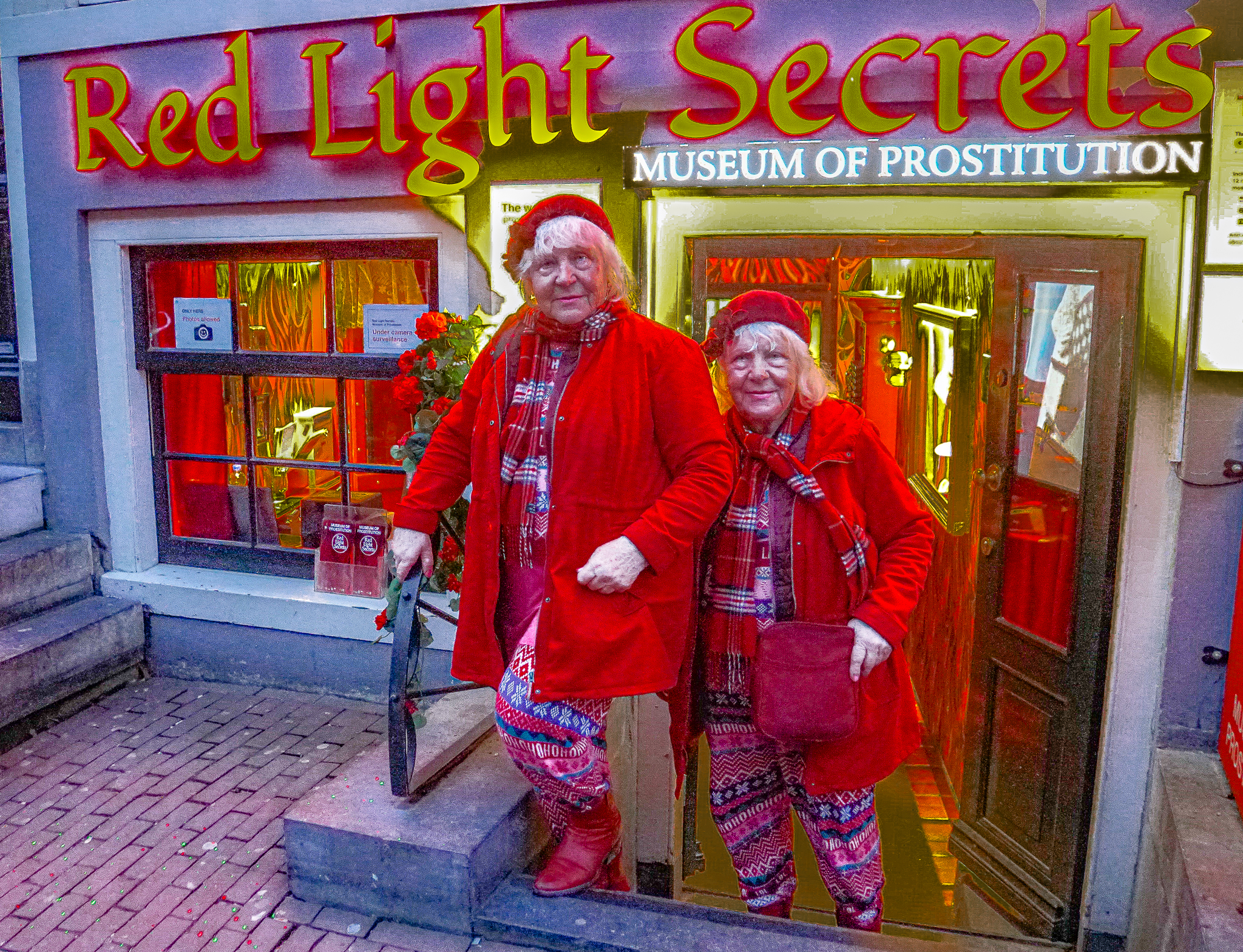
In depicting sex work from the perspective of the workers themselves, Red Light Secrets provides insight into stereotypes, safety, daily routines, and the complicated relationship between Amsterdam and one of its most famous industries.
Amsterdam Tulip Museum: Flower Power – As much bulb store as museum, this tiny space across from the Anne Frank House explores the history of the tulip in the Netherlands. Learn about its arrival in the country, cultivation, the obsession that became 17th-century tulip mania, and the tulip’s profound impact on Dutch culture.
The Houseboat Museum: Life on the Water – Housed aboard a former cargo ship, this tiny museum reveals how a houseboat with limited space can be transformed into a comfy home and just how much ingenuity is required to live on Amsterdam’s canals. No famous masterpieces or immersive projections; just an authentic slice of Amsterdam life and the history of life on the water.

The Electric Museum Tram Line: All Aboard – More time travel than museum, this collection of vintage trams and motor cars revisits the past on weekends from Easter through summer.
View the restored vehicles in all their glory and take a ride on the Haarlemmermeer line running from Haarlemmermeer station to Amstelveen and back. The historic trams can be rented for weddings, company drinks and family parties.
International Flavor
Hash, Marijuana & Hemp Museum: Getting Blunt About Soft Drugs – Explore the culture of cannabis, from cultivation to consumption, ancient ritual and modern medicine, in the world’s largest museum collection devoted to the cannabis plant. Set in a Red Light District canal house, its collection features artifacts related to cannabis history and culture from around the world.
The Torture Museum: History’s Dark Side – In Medieval times, every European city had a scaffold in the market square and a gallows near the city gate, designed to combat witchcraft and heresy. This painful past is revealed in exhibits featuring 40+ instruments of punishment ranging from the inquisition chair to the guillotine, illustrated with engravings and background information in eight languages.
EYE Film Museum: Movie Mania – Housed in a futuristic building on the northern bank of the River IJ, this homage to international cinema features interactive displays and exhibits focused on the world of the moving image.
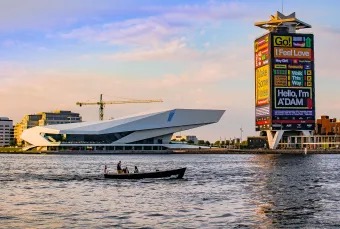
Learn how film has developed through the years, how the earliest cameras worked, and make your own flip book or animated film. Enjoy clips from the museum’s collection in screening rooms and a drink in the eye-popping EYE bar restaurant.
Amsterdam Pipe Museum: Lighting Up – A 17th-century canal house is the backdrop for this collection of pipes from around the world, ranging from elaborate clay pipes to opium and water pipes. Whether or not you enjoy lighting up, the museum offers insight into the craftsmanship and culture of pipe smoking.
Museum Tot Zover: A Thoughtful Look at Death – Learn how different cultures deal with mortality, how traditions have evolved, and why humans create rituals around loss at this museum located beside Amsterdam’s largest cemetery. You may not walk out smiling, but you’ll leave with a thoughtful perspective about death.
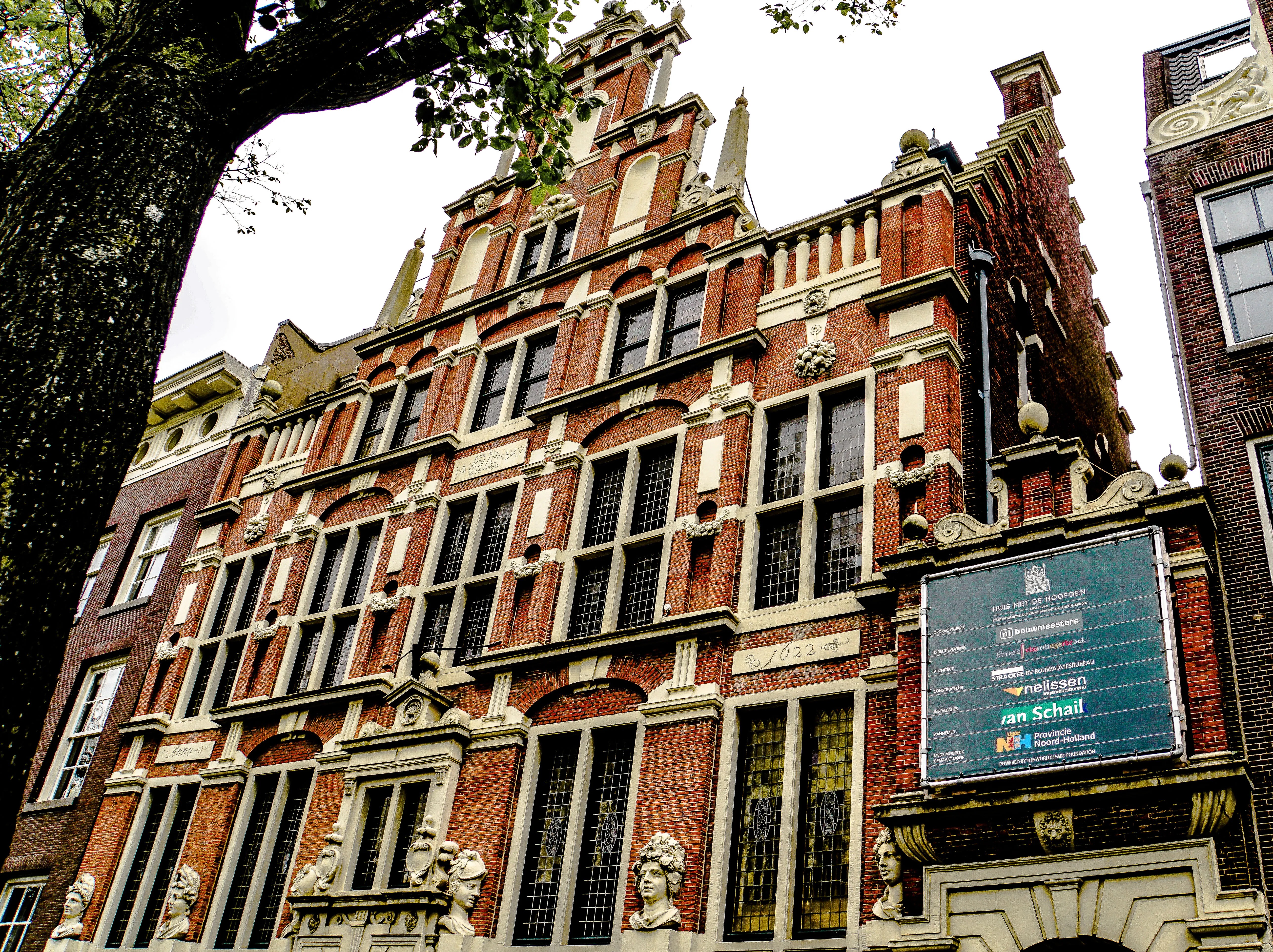
Embassy of the Free Mind: The History of Ideas – Explore free thought, philosophy, mysticism, and esoteric ideas gleaned from strange corners of European intellectual history in this atmospheric space in the architecturally stunning House with the Heads.
Its collection includes rare books and manuscripts, including works connected with Hermeticism and other unconventional intellectual traditions.
Museum Vrolik: An Anatomical Cabinet of Curiosities – If anatomy, developmental abnormalities and the history of medical science interest you, this collection housed in the University of Amsterdam may be worth visiting. Assembled in the 19th century by generations of the Vrolik family, it’s one for the curious rather than the squeamish.